Behind the Scenes of Reliability
How Delta Western Prepares for Alaska’s Uncertain Moments
Winter conditions can shift quickly here in Alaska. Weather doesn’t follow a predictable script, making preparation essential long before challenges arise.
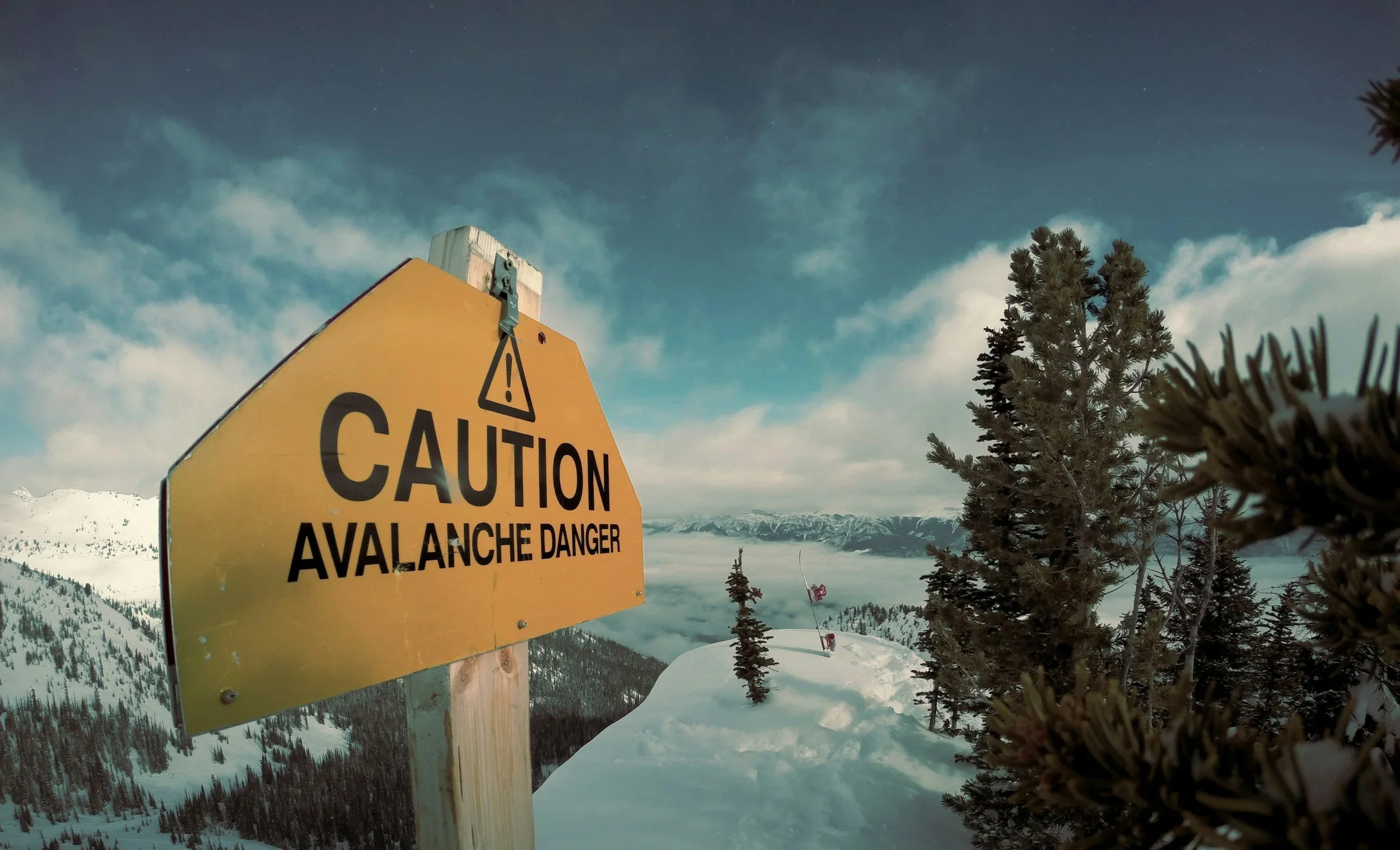
Earlier this month, a City of Juneau avalanche evacuation advisory served as a timely reminder of why Delta Western prioritizes safety and reliability across its operations.
A Real-Time Example: Juneau
On January 9, 2026, the City of Juneau issued an avalanche evacuation advisory. While Delta Western’s terminal remained outside the designated high-risk zone, the road used to access it was identified as high risk. At the same time, a barge transfer into the terminal was already underway.
The situation called for careful coordination and clear decision-making. Because barge operations were outside the affected area, the transfer continued safely. As a precaution, our office was shut down, and fuel trucks were loaded and staged in secure locations off the terminal in the event that entry points became limited.
Fortunately, conditions stabilized and the advisory was lifted without incident. But what happened during those hours illustrates the kind of work that usually stays invisible.
The Work You Don't See
Most of the time, reliability doesn't make headlines. It's the planning that happens months before a storm, the protocols reviewed in quiet conference rooms, the backup systems tested when nothing is wrong.
During the Juneau advisory, terminal managers, tankermen, drivers, and maintenance crews drew on their local knowledge and operational readiness to assess risk in real time. That judgment, built through experience and ongoing training, informed decisions to continue safe barge operations while preparing for the possibility of limited terminal access.
This is what emergency preparedness actually looks like: not dramatic last-minute saves, but steady, practiced response. Specialized barges transporting multiple grades of fuel. Strategic reserves maintained above daily needs. Redundancies across fuel sources and transportation options. All of it designed so that when something does happen, the response feels routine—because in a sense, we've already rehearsed it.
Safety at the Center
Protecting people is always our top priority. During moments like this, our approach to safety ensures that operations proceed only where and when it’s appropriate. Team members are empowered to adjust plans, pause activity when needed, and take proactive steps to reduce risk.
That focus allows us to protect our people while safeguarding critical infrastructure and fuel supply for the communities that depend on us.
What Reliability Really Means in Alaska
The Juneau advisory resolved quickly, and most people never knew the coordination happening behind the scenes. That's actually the goal. When our systems work the way they should, emergencies stay small and fuel keeps flowing.
Delta Western’s teams work every day to make that possible, guided by a commitment to doing the right thing for the communities we serve. If you’re planning for the months ahead, reach out to your local Delta Western office today.