What Reliability Requires
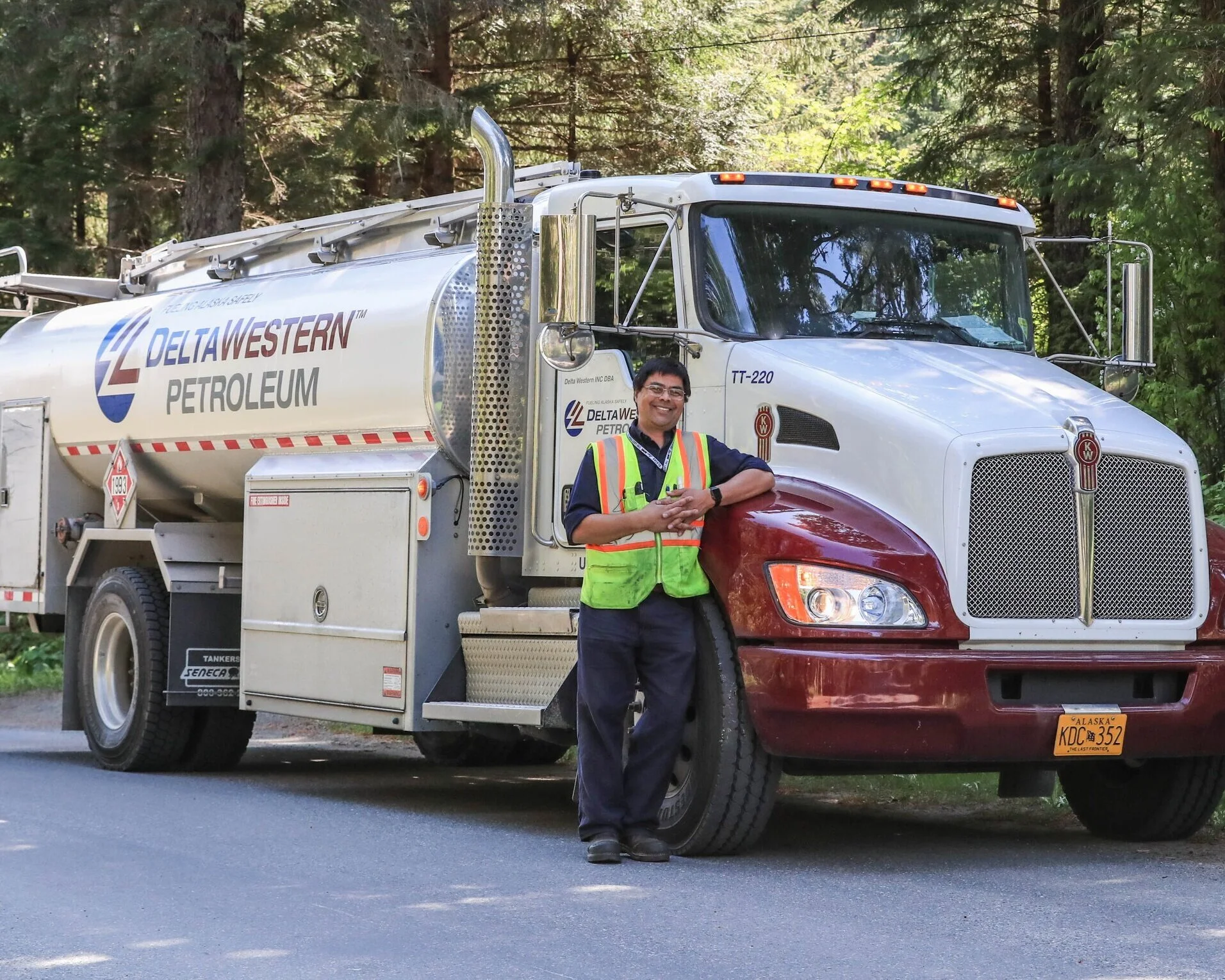
The logistics behind fuel delivery across Alaska
Every delivery has a backstory. Sometimes it begins with a route adjustment, a weather call, a barge schedule, or a morning conversation that helps the whole team prepare for the day ahead.
As National Logistics Day arrives in June, we’re recognizing the careful coordination and local expertise that help Delta Western serve communities across Alaska.
Coordination Built for Alaska
Here, reliable delivery rarely follows a one-size-fits-all path. A single drop-off could involve barge crews moving fuel across challenging waterways, terminal operators preparing for the next handoff, and drivers completing the final leg. Each role matters, and each piece depends on careful timing.
That kind of coordination requires a lot of flexibility. Over more than 40 years of operation, Delta Western has built a logistics chain designed for Alaska’s realities, including backup plans that help service continue when weather, access, or timing changes.
This level of preparation made a difference during an avalanche safety response in Juneau. With strong logistics planning already in place, the crew continued safe barge operations, closed the office as a precaution, and staged loaded fuel trucks in secure locations in case terminal access became limited.
The Power of Communication
Strong operations depend on people sharing what they know.
Our teams talk through things like customer-property notes, route barriers, and safety considerations before they affect the day’s work. In Haines, Operations Manager Jen Cowart leads a daily 20-minute safety meeting that has helped improve communication and strengthen accountability across the terminal.
Looking back on the impact of those conversations, Jen shared, “That’s what I really appreciate about our team. Everyone takes responsibility for safety, not just the folks out in the field. We’ve built a culture where people speak up and look out for each other.”
The Map is Only the Beginning
Reliable delivery starts with a deep understanding of the regions and neighborhoods we serve.
A route is never simply a line from one point to another. Conditions can shift quickly, access changes often, and each area has its own needs. That is why we keep things local. We know these roads, waterways, terminals, and neighborhoods through real experience.
That familiarity helps our folks make thoughtful decisions before service begins. It also helps them recognize when a plan needs to change.
Behind the Scenes
The best logistics often look quiet from the outside: fuel arrives when it is needed, customers can continue with their day, and communities have the support they count on.
Are you looking for fuel for your home or business? Contact your local office here.